China Best Dental Equipment Tools for Global Buyers?

Global buyers looking for Dental Equipment Tools from China face a wide range of choices, from dental chairs and handpieces to imaging systems and sterilization units. A polished product photo can make two models seem nearly identical. Their specifications, build quality, and support arrangements may tell a different story.

A reliable comparison starts with the clinic’s actual needs. Check the equipment’s dimensions, power requirements, included accessories, and compatibility with existing systems. Ask suppliers for clear technical specifications, user manuals, warranty terms, and details about replacement parts. Small details matter. A chair that does not fit the room or a handpiece with no nearby service support can create costly delays. Buyers should also verify that product documentation and conformity information meet the requirements of their destination market; requirements vary by country and product type.

Price matters, but it should not be the only measure. Compare the quoted configuration, shipping arrangements, installation support, and expected maintenance needs. Request answers in writing, and confirm which services are provided directly by the supplier. Real experience is useful here, though even a good reference cannot guarantee every order will go smoothly. That deserves thought. This guide explores how global buyers can assess Chinese dental equipment suppliers, compare practical options, and ask better questions before making a purchase.
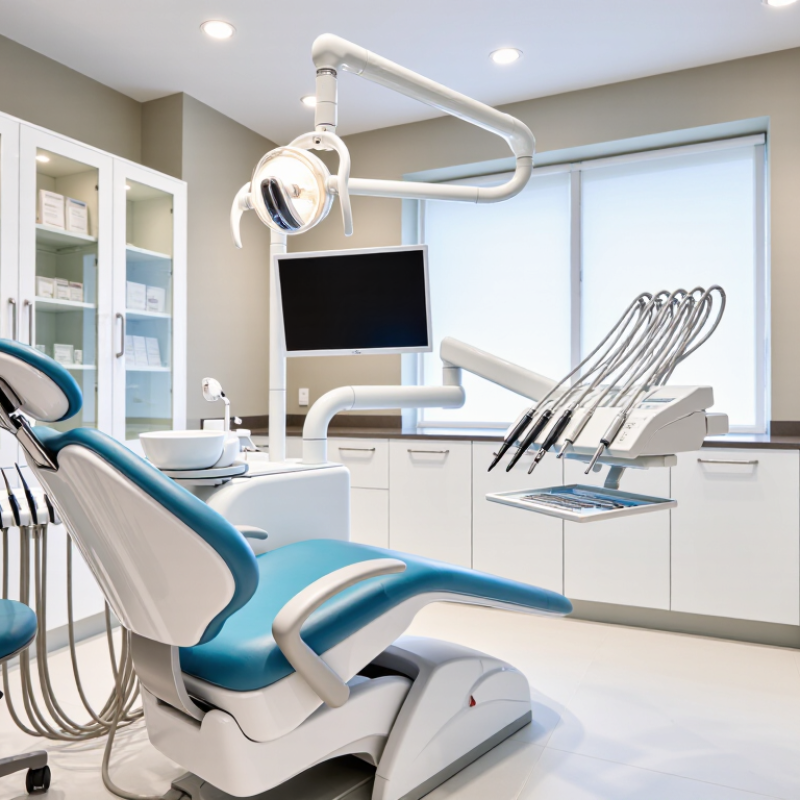
China Best Dental Equipment Tools for Global Buyers?

What Counts as Dental Equipment and Tools?

Dental equipment covers the systems that support examination, treatment, imaging, and infection control. Think of a dental chair with an adjustable headrest, an overhead light, suction tubing, and a sterilizer. These are durable devices, not hand tools. Hand tools include mirrors, probes, forceps, scalers, and instruments used to place or shape filling materials. Powered handpieces and their interchangeable burs sit between the two groups: they are equipment in purchasing lists, but tools in everyday clinical use.

The distinction matters when buyers compare specifications, maintenance, and replacement parts. The World Health Organization’s Global Oral Health Status Report (2022) estimates that oral diseases affect nearly 3.5 billion people worldwide. That scale makes dependable diagnostic and treatment equipment essential, but a large catalogue does not automatically mean a useful one. Imaging devices create diagnostic records; compressors and suction systems support routine procedures; sterilizers process reusable instruments. Disposable gloves, masks, and some treatment materials are supplies, rather than equipment. The boundary is not always tidy. A buyer should check how a supplier classifies each item, then verify its intended clinical use, service needs, and compatibility with the practice’s workflow. A polished product description can still leave practical questions unanswered.

Which Dental Equipment Categories Do Global Buyers Need?

Global buyers need equipment matched to everyday clinical workloads, not simply a long catalogue. The WHO’s Global Oral Health Status Report (2022) estimates that oral diseases affect nearly 3.5 billion people worldwide, including about 2 billion with untreated caries in permanent teeth. This burden supports demand for diagnostic basics: dental chairs, examination lights, intraoral imaging systems, and reliable suction.

Clear images and stable positioning matter when assessing a small cavity or planning treatment.

Treatment needs shape the rest of the list. The same WHO report estimates that severe periodontal disease affects more than 1 billion people. Buyers may therefore prioritize ultrasonic scalers, handpieces, endodontic tools, and restorative instruments.

Sterilizers and instrument-cleaning equipment are essential too; they support consistent infection-control workflows between patients. Small details matter. Check local service coverage, spare-part access, voltage, and staff training before ordering.

The weak spot? Buyers can overvalue advanced features and underestimate maintenance. A sophisticated unit is less useful when routine repairs take weeks. These figures describe disease burden, not equipment sales, so purchasing plans should also reflect clinic size, case mix, and budget.

How Are Chinese Dental Products and Manufacturers Evaluated?

Evaluating Chinese dental products starts with the intended use, not the catalog. A dental chair, curing light, and imaging unit each need different checks. Ask for current technical files, test reports, user instructions, and clear product specifications. Documents should match the exact model being quoted. Details matter.

For equipment, review electrical safety, performance data, materials, and cleaning instructions against the requirements of the destination market. For instruments, inspect finish, alignment, grip, and repeated-use durability. A sample can reveal loose joints or rough edges that product photos hide. Check how the manufacturer tracks batches, handles defects, and controls changes during production. A certificate alone cannot show how consistently each unit is made. Nor can a factory visit replace independent evidence.

Manufacturer evaluation also includes practical support. Ask who answers technical questions, how spare parts are supplied, and what training materials are available. Compare response times and warranty terms in writing. If possible, test a sample under realistic clinic conditions before placing a large order. Keep records of findings, even small ones. No checklist is perfect; buyers can overlook details when deadlines are tight. A polished presentation is useful, but repeatable quality and honest documentation matter more.

China Best Dental Equipment Tools for Global Buyers? - How Are Chinese Dental Products and Manufacturers Evaluated?

Product Category Key Evaluation Dimensions Useful Evidence to Request Buyer Checks
Dental treatment units and chairs Adjustment range, patient and operator ergonomics, instrument delivery, water and air systems, cleanability, and service access. Technical specifications, installation requirements, operating and maintenance manuals, and demonstrations of chair movement and instrument functions. Confirm local electrical and plumbing compatibility, included accessories, spare-part availability, warranty terms, and installation support.
Dental imaging equipment Image quality, exposure controls, software workflow, detector or sensor performance, radiation-safety features, and serviceability. Product specifications, applicable test reports, user instructions, software and computer requirements, and documentation for the intended market. Check that the exact model and intended use meet the destination country's requirements; confirm licensing, installation, training, and ongoing quality-control needs.
Sterilizers and autoclaves Cycle options, load capacity, cycle monitoring, drying performance, records, maintenance needs, and compatibility with the clinic's instruments and workflow. Cycle data, operating instructions, installation specifications, validation or performance-test documentation where applicable, and maintenance schedules. Verify that cycles suit the instruments being processed and align with local infection-prevention guidance; confirm water quality and routine testing requirements.
Dental handpieces Connection compatibility, speed and torque specifications, cooling, noise, maintenance needs, and suitability for repeated cleaning and sterilization. Instructions for use, compatibility details, maintenance guidance, sterilization instructions, and applicable product test documentation. Check compatibility with existing couplings and treatment units; confirm that cleaning and sterilization instructions are clear and practical for the clinic.
LED curing lights Light output, wavelength range, curing modes, tip design, battery performance, heat management, and cleaning requirements. Output and wavelength specifications, user instructions, charging information, and test data supporting stated performance. Confirm compatibility with the restorative materials used and follow the material manufacturer's curing instructions; assess output-check procedures.
Ultrasonic scalers Power adjustment, tip compatibility, water delivery, vibration consistency, ergonomics, and cleaning and maintenance requirements. Technical specifications, supported tip list, installation instructions, maintenance guidance, and product test documentation. Check availability of compatible replacement tips and consumables, as well as local repair options and instructions for safe use.
CAD/CAM scanners and milling systems Workflow fit, supported file formats, software usability, accuracy information, materials compatibility, and update and support arrangements. System requirements, supported formats, workflow documentation, software licensing terms, and performance information for the intended applications. Test the full workflow with the clinic's preferred lab or production process; clarify data export, software updates, training, and ongoing costs.
Manufacturer and supplier assessment Quality-management processes, production consistency, traceability, complaint handling, change control, and after-sales capability. Quality-system documentation, sample records, inspection and testing procedures, corrective-action processes, and references relevant to the product category. Verify the supplier and manufacturing site, assess the exact product documentation, and agree on inspection, delivery, warranty, and service responsibilities.
Regulatory and market readiness Product classification, intended use, labeling, conformity assessment, importer responsibilities, and destination-market rules. A complete, model-specific technical file and the approvals, declarations, or registrations required for the target market. Requirements vary by country and device type. Verify documents with the relevant regulator or qualified local representative; a quality-system certificate alone does not establish market authorization.

Evaluation note: These are general buyer-assessment criteria, not product rankings or endorsements. Compare the exact model, intended use, documentation, service support, and destination-market requirements before purchase.

What Standards and Certifications Apply to Dental Equipment?

Dental equipment sold across borders must meet the rules of each destination market. There is no single certificate that guarantees worldwide acceptance. In the European Union, the Medical Device Regulation (EU) 2017/745 governs medical devices; in the United States, applicable FDA requirements depend on device type and classification. Buyers should verify the product’s intended use, classification, and required market authorization before ordering.

Several standards support a credible compliance file. ISO 13485 covers medical-device quality management, while ISO 14971 addresses risk management. IEC 60601-1 sets general requirements for electrical safety and essential performance in medical electrical equipment. Reusable instruments also need clear processing instructions, such as those addressed by ISO 17664. Requirements vary by product. A dental chair and a sterilizer do not necessarily follow the same route. Paperwork can look complete. It may not be.

The WHO’s Global Oral Health Status Report (2022) estimates that oral diseases affect about 3.5 billion people worldwide. That scale makes dependable equipment more than a purchasing detail. Ask suppliers for current declarations, test reports, labeling, and traceability records, then check that they match the exact model and intended market. A certificate alone is not proof of performance. I would also review maintenance access and service documentation; these details are easy to overlook, yet they matter in daily clinic use.

How Can Buyers Compare Suppliers, Costs, and Support?

A reliable supplier comparison starts with the clinic’s actual workload, not a catalogue photo. The WHO’s 2022 Global Oral Health Status Report estimates that oral diseases affect nearly 3.5 billion people worldwide. That scale makes dependable equipment and service important, but it does not make every purchase suitable. Compare operating capacity, maintenance needs, and availability of replacement parts for each item.

Not just price. Ask for a written quotation that separates equipment, shipping, installation, training, and recurring consumables. Compare warranty length and exclusions, then request realistic service-response times. A lower upfront quote may cost more if a handpiece sits idle while a part ships. Small details matter. Check whether the supplier provides user manuals, maintenance schedules, and remote troubleshooting in a language your team can use.

The WHO report also notes that three out of four people affected by oral diseases live in middle-income countries. Local service access can therefore be as relevant as the equipment specification. Ask for references from comparable clinics and confirm which spare parts are stocked nearby. Even a careful scorecard has blind spots: promised support is not proven support. I would leave room for judgment, and verify key claims in writing before payment.

China Dental Equipment Supplier Comparison: A Buyer’s Scorecard

Example buyer-defined scores for comparing suppliers on a 1–5 scale. These are evaluation prompts, not market statistics or ratings of specific suppliers.

Compare like-for-like quotations by checking product specifications, applicable regulatory documentation, warranty terms, spare-parts availability, and after-sales support. Adjust the example scores to match your purchasing priorities and verify all claims directly with each supplier.