China Top 10 Human AB Serum Suppliers for Global Buyers
Selecting a human AB serum supplier in China requires more than comparing prices or catalog photos. For global buyers, practical questions include batch traceability, donor-screening records, processing controls, and reliable cold-chain shipping. Serum can look clear in a vial, yet appearance alone cannot confirm its consistency or suitability for a specific assay. Small details matter. A missing lot record or unclear storage instruction can complicate procurement later.
This guide introduces ten China-based suppliers for buyers evaluating human AB serum for research and laboratory use. It is a starting point, not an endorsement or guarantee of performance. Supplier capabilities and product specifications can change, so verify current information directly. Request a representative certificate of analysis, confirm available volumes and pooling formats, and review handling instructions before ordering. Where practical, assess a sample lot against your own quality requirements. No supplier is flawless. Even a polished product page may leave important questions unanswered.
Human-derived materials may be subject to destination-specific import, biosafety, and documentation requirements. Buyers should check applicable rules with their own compliance teams before shipment. Compare suppliers on evidence, communication, and documented controls—not claims alone. A clear response about lot variation or shipping conditions can be more useful than broad promises. The right choice depends on the intended research, the receiving laboratory’s procedures, and the buyer’s tolerance for variation.
Understanding Human AB Serum and Its Global Applications
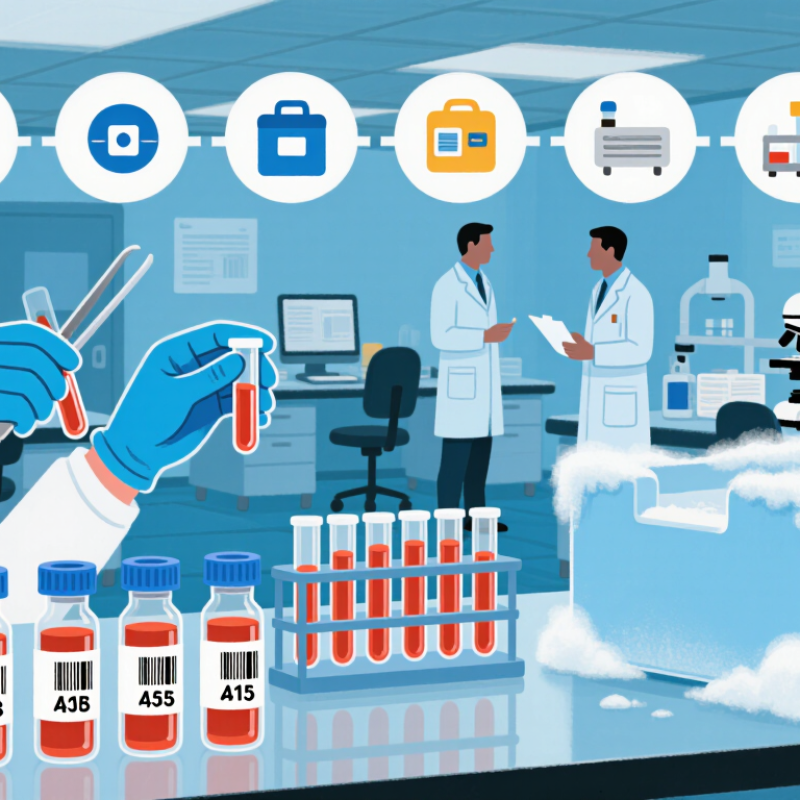
Human AB serum is the liquid component collected from donated blood after clotting. Because people with AB blood type generally lack anti-A and anti-B antibodies, their serum can suit a range of human cell cultures. It still contains proteins, hormones, lipids, and growth-supporting factors. It is not a chemically defined ingredient. It matters.
In laboratories, researchers may use human AB serum to support primary cells, lymphocytes, and other human cell models. A few milliliters can change how cells attach, divide, or respond to stimulation. Results depend on the cell type and the study design. AB serum is not automatically interchangeable with other serum supplements, and one lot may perform differently from another.
For global buyers, useful quality details include donor-screening records, traceability, batch documentation, and clear storage and shipping conditions. These details help laboratories assess consistency and handle material appropriately. Yet paperwork cannot guarantee identical performance in every experiment. Testing a small batch in the intended protocol is prudent. Researchers should also document serum concentration and any observed changes in cell growth. Even careful comparisons leave some uncertainty, because serum is biologically variable.
How to Evaluate Human AB Serum Suppliers in China
Choosing a Chinese human AB serum supplier requires more than comparing prices or purity claims. Ask how donors are screened, how AB blood type is confirmed, and how many donors contribute to each pool. Request a lot-specific certificate of analysis, processing dates, storage limits, and shipment temperature records. These details help connect each bottle to a controlled production batch. Keep it practical.
The WHO’s 2021 Global Status Report on Blood Safety and Availability recorded 118.5 million blood donations worldwide in 2018. That figure does not guarantee serum consistency; it underscores the value of traceable sourcing and documented controls. Check test methods and acceptance limits for sterility, endotoxin, hemolysis, and relevant infectious markers. Ask how the supplier handles process changes. Cell growth can shift between lots, even when paperwork looks solid.
Tips: Request samples from two lots and compare them in your own cell-based assay before placing a large order. Keep a retained sample for future checks. Confirm that the supplier can explain unexpected results, not just provide a certificate. Even careful screening cannot predict every cell-line response.
Profiles of 10 Chinese Human AB Serum Suppliers
Profiles of ten Chinese human AB serum suppliers reveal different sourcing and quality-control approaches. Some emphasize domestic donor networks; others highlight export experience, batch documentation, or cold-chain support. For buyers, the useful details are practical: donor-screening scope, collection location, processing method, storage temperature, and lot-specific test results. Ask how a supplier handles a shipment delayed at customs or a temperature excursion. Small operational gaps matter.
The Grand View Research report on cell culture media estimated the global market at about US$3.9 billion in 2023. This broader market figure is not specific to human AB serum, but it reflects demand for dependable culture inputs. Supplier comparisons should therefore examine evidence, not polished claims. Request a current certificate of analysis, traceability records, and clear acceptance criteria before placing an order. A neat certificate is not the whole story. Check whether the reported tests match your application and internal protocol. Across the ten profiles, differences in documentation and service may be as significant as quoted price. Some details remain hard to compare without direct technical questions.
Quality Standards and Regulatory Requirements for Global Buyers
When comparing human AB serum suppliers in China, start with lot-specific documentation. Request a certificate of analysis, donor-screening summary, processing records, and traceability information. Check whether the tests match your application and destination market. Requirements differ. A label alone is not evidence.
Review stated criteria for sterility, endotoxin, mycoplasma, and relevant infectious-agent testing. Ask which methods are used and how results are assessed. Confirm how donor consent, privacy, and sample coding are handled. Supplier quality systems should support controlled records, change notifications, and deviation investigations. Keep cold-chain shipping records, too. A thawed sample can tell a different story.
Regulatory status depends on intended use, product claims, and local rules. Research-use material may not be suitable for clinical or manufacturing use. Confirm import documents and local requirements with qualified regulatory staff before ordering. Compare multiple lots if consistency matters, and record incoming checks. A polished dossier helps, but it cannot replace a practical review of packaging and temperature data. Some gaps appear only after questions are asked; that deserves attention.
Sourcing, Shipping, and Risk Management for International Orders
For international orders, treat human AB serum as a temperature-sensitive material, not ordinary freight. Ask suppliers for the lot-specific certificate of analysis, donor-screening documentation, origin, expiry date, and validated storage range before payment. Check that the shipping plan matches the product documents; a generic “cold-chain” promise is not a specification. Small delays matter.
Packaging should be qualified for the expected route and season. Request the shipper configuration, temperature-monitoring method, and a clear excursion procedure. WHO’s Technical Report Series 961, Annex 9, outlines controls for transporting time- and temperature-sensitive products. The World Bank’s 2023 Logistics Performance Index assessed 139 economies, reflecting how customs, infrastructure, and delivery reliability vary across routes. A supplier’s dispatch date alone cannot predict arrival condition.
Air capacity also shifts. IATA reported that global air-cargo demand grew 11.3% in 2024, while capacity increased 7.4%. This does not prove that any one lane will face delays, but it supports building realistic buffers into schedules. Confirm import documentation and receiving arrangements with the destination institution before dispatch. Use a logger that records the full transit, and agree in writing who reviews the data. One uncomfortable detail: even a well-packed shipment can arrive with incomplete temperature records. Decide in advance whether that batch will be accepted, quarantined, or rejected.
Related Posts
-
2026 Top Human AB Serum Suppliers for Global Buyers
-

Why Are Host Cell Proteins Important in Biopharmaceutical Production?
-

10 Best Techniques for Protein Extraction You Should Know?
-
China Best Tissue Culture Techniques for Plant Propagation?
-

2026 How to Source Life Sciences Products Effectively?
-

Top 10 CRISPR Cell Lines for Your Research Needs?