What is a Food Safety Kit and Why Do You Need One?
Food safety is a critical component of public health. A Food Safety Kit is an essential tool for anyone involved in food handling. According to Dr. Laura Rosenthal, a food safety expert, "Every kitchen should be equipped with a Food Safety Kit." This statement emphasizes its necessity.
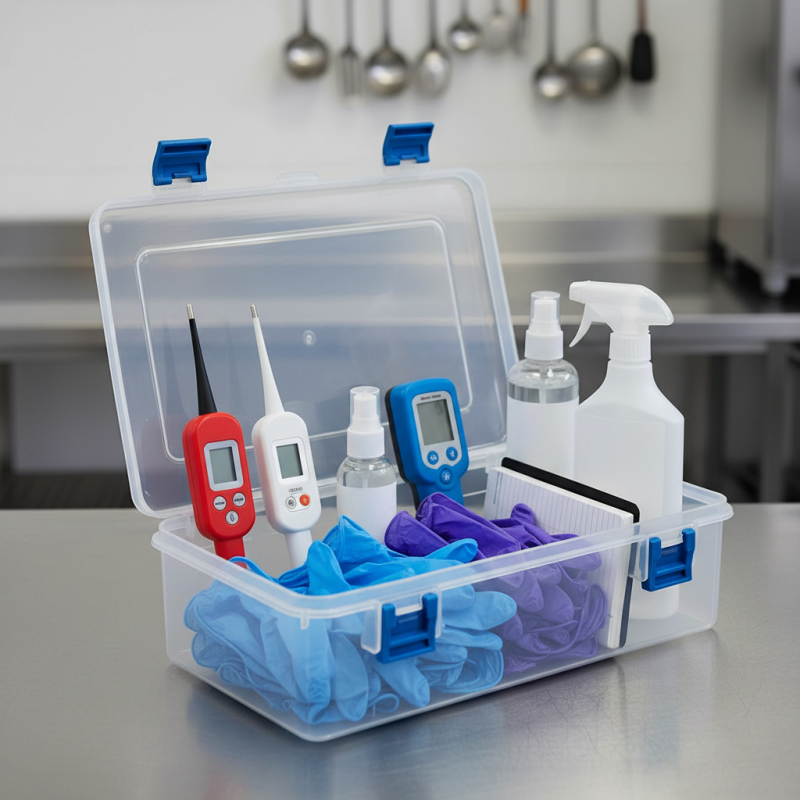
Food Safety Kits can prevent foodborne illnesses. These kits typically contain thermometers, gloves, and sanitizers. Each item plays a role in ensuring safe food preparation. Without these tools, people may unknowingly compromise food safety. Many kitchens overlook the importance of proper equipment. This negligence can lead to serious health risks.
Investing in a Food Safety Kit is more than just compliance; it’s about protection. Designing a kit tailored to your needs is crucial. However, simply having a kit is not enough. Regular training and awareness are essential to maximize its effectiveness. Food safety deserves constant reflection and improvement.
What Constitutes a Food Safety Kit?
A food safety kit is essential for managing food risks. It typically includes key items to ensure food hygiene and safety. These items often feature a thermometer, hand sanitizer, gloves, and cleaning supplies. Each component plays a vital role in preventing foodborne illnesses.
For instance, a thermometer is crucial for checking if food reaches safe temperatures. Without it, undercooked meat can pose serious health risks. Hand sanitizer helps maintain hygiene, especially when soap and water are not accessible. Gloves protect both the food and the handler from cross-contamination.
Sometimes, people overlook the importance of these tools. They may think that washing hands is enough. However, neglecting to use a thermometer can lead to unsafe food being served. A well-stocked food safety kit reminds us to be vigilant. It helps us take practical steps toward safer food preparation.
Essential Items to Include in Your Food Safety Kit
A Food Safety Kit is a vital resource in any kitchen. Knowing what to include is key. Essential items for your kit should cover various aspects of food safety. A reliable food thermometer is crucial. It helps ensure your food is cooked to the right temperature. This prevents harmful bacteria.
Another important item is sanitizing wipes. These can quickly clean surfaces before food preparation. It’s easy to overlook cleaning steps. A few wipes can save you from kitchen accidents.
Don't forget about food storage bags. They help keep food fresh and reduce waste. These are not just for leftovers. They’re also useful for marinating ingredients. Having a first aid kit is necessary too. Cuts and burns occur often in kitchens. A well-stocked kit can address these injuries promptly.
The Importance of Having a Food Safety Kit in Your Home
Having a food safety kit at home is crucial for preventing foodborne illnesses. Many people overlook this essential tool. A basic kit includes items like a meat thermometer, food storage bags, and cleaning supplies. Each item plays a role in ensuring safe food handling practices.
Consider the times you forget to check the temperature of your oven. Maybe you leave leftovers out too long. These small oversights can lead to food spoilage or contamination. A food safety kit can help you stay vigilant. It serves as a reminder to follow safety guidelines.
You might think your kitchen is safe without it. But accidents happen, and practices can slip. Keeping a kit nearby can change that. Have a thermometer easily accessible. Store cleaning wipes in view. These actions can protect your family from harmful bacteria. It’s not just about having the kit; it’s about using it effectively.
How to Properly Use and Maintain Your Food Safety Kit
A food safety kit is essential for any kitchen. It helps ensure the storage, preparation, and cooking of food is safe. To get the most out of your kit, proper usage and maintenance are key.
Start by regularly checking the contents of your food safety kit. Make sure items like thermometers, food safety gloves, and sanitizing wipes are present and functional. If any tools are broken or missing, replace them promptly. Consider setting reminders to perform these checks every month.
Tips: Always keep your kit in a designated place. This makes it easier to find when needed. Label the items, so you know their purpose at a glance.
When using your kit, be mindful of hygiene practices. Clean surfaces and utensils before food preparation. It’s easy to skip steps when you’re busy, but it can lead to contamination. Mistakes happen, so reflect on your habits. Remember that food safety is a continuous process.
Tips: Use a checklist while cooking. This can help you remember important steps to stay safe. There’s no shame in double-checking!
What is a Food Safety Kit and Why Do You Need One?
| Item | Purpose | Usage Instructions | Maintenance |
| Thermometer | To measure food temperatures | Insert into the thickest part of food | Calibrate regularly, clean after each use |
| Food Safety Gloves | Prevent cross-contamination | Wear when handling ready-to-eat foods | Dispose of after single use |
| Sanitizer | Kill bacteria on surfaces | Spray on surfaces and let sit for recommended time | Store in a cool, dry place |
| Meat Thermometer | Specifically for cooking meat | Insert into thickest part, avoid bone | Wipe clean after each use |
| Food Safety Chart | Reference for safe temperatures | Display in kitchen for easy access | Update with new safety guidelines as needed |
When to Update Your Food Safety Kit for Optimal Effectiveness
When managing food safety, regular updates to your kit are crucial. Understanding when to refresh your supplies ensures optimal effectiveness. Check items regularly, especially after events like holidays or parties. These occasions often lead to more food handling, increasing the risk of contamination.
Consider expiration dates as well. If an item in your kit is outdated, replace it without delay. This includes thermometers, cleaning supplies, and safety guides. Each year, assess your food safety kit and determine what needs attention.
Moreover, we often overlook changes in dietary habits. If you have a new family member or a new recipe, your kit should adapt. Explore local guidelines for food safety too. They can vary. Reflect on your kit's effectiveness, and do not wait for an incident to make changes. Regular updates keep it relevant and useful.