Top Molecular Biology Techniques for Modern Research and Applications?
Molecular biology has transformed our understanding of life forms. With new techniques emerging, the field continues to evolve rapidly. Dr. Jennifer Doudna, a pioneer in CRISPR technology, once stated, "The power of molecular biology can enable us to edit the code of life." This quote reflects the profound impact molecular biology has had on various applications.
In modern research, techniques like PCR, sequencing, and gene editing are central. Each method offers unique insights into genetic structures. They empower scientists to tackle complex diseases and improve agricultural practices. However, the rapid advances also introduce ethical dilemmas and require careful consideration. The potential for misuse looms large.
Despite these innovations, challenges remain. Reproducibility issues and technical limitations can hinder progress. Scientists must continually refine their methods. The journey in molecular biology is ongoing. Balancing innovation with responsibility is crucial as we explore the building blocks of life.
Overview of Molecular Biology Techniques in Research
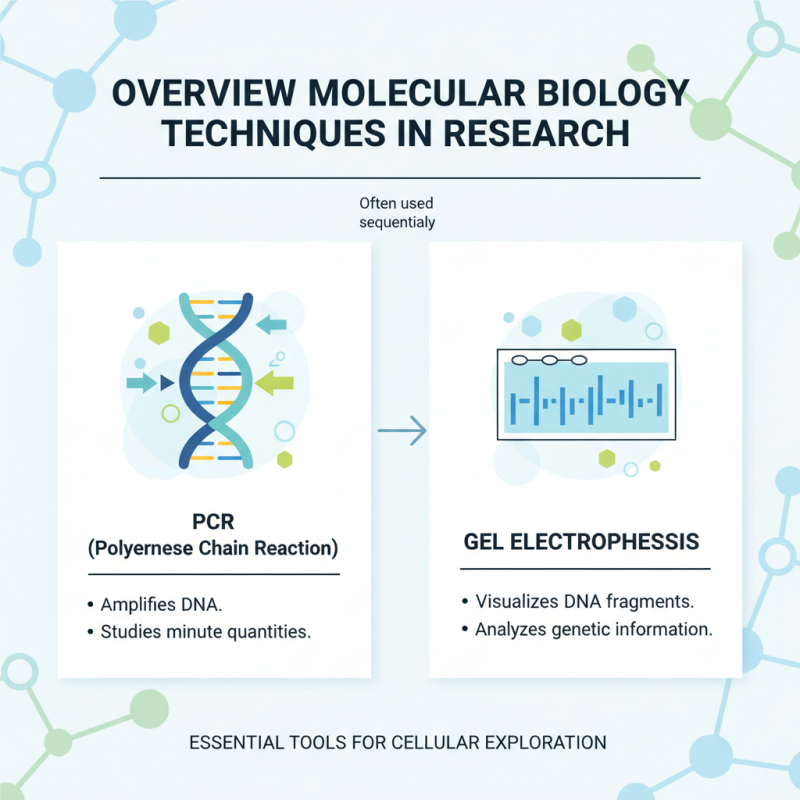
Molecular biology techniques are essential tools in modern research. They allow scientists to explore the complex interactions within cells. Techniques like PCR and gel electrophoresis are foundational. PCR amplifies DNA, making it possible to study minute quantities. Gel electrophoresis visualizes DNA fragments, providing insight into genetic information.
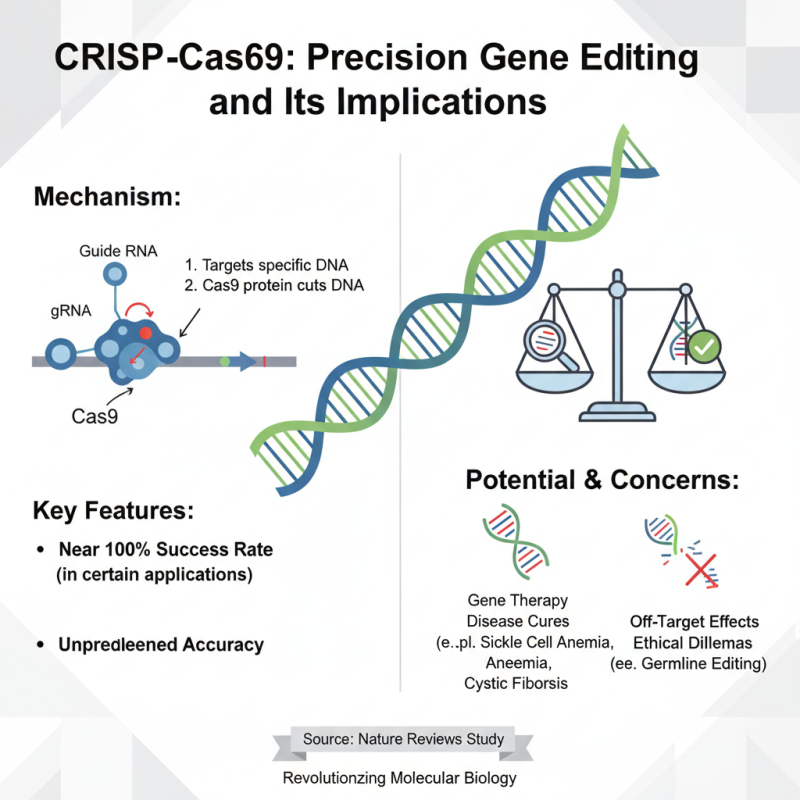
Another significant technique is CRISPR-Cas9. This method allows for precise gene editing. It holds potential for treating genetic disorders. However, ethical concerns arise. What are the long-term effects of gene editing? Researchers must navigate these dilemmas carefully.
Next, RNA sequencing has transformed transcriptome analysis. It offers a snapshot of gene expression levels. This technique reveals how cells respond to various stimuli. But, data interpretation remains a challenge. Researchers may draw inaccurate conclusions if they overlook context. Each method contributes to our understanding, but not without limitations.
DNA Sequencing Technologies: Advancements and Applications
DNA sequencing technologies have transformed molecular biology. These advancements enable researchers to decode genetic information with remarkable precision. High-throughput sequencing methods have made it easier to analyze entire genomes quickly. This has opened doors to new discoveries in fields like genomics and personalized medicine.
Despite the progress, challenges remain. Error rates can vary based on the technique used. Some sequencing methods may miss important mutations. The interpretation of vast data sets can also be overwhelming. Researchers often face difficulties in extracting meaningful insights from this information.
Applications of these technologies are vast. They aid in cancer research, identifying genetic diseases, and understanding evolution. Yet, ethical concerns arise with gene editing capabilities. How we use this powerful information is crucial. A balance between innovation and responsibility is essential for future developments.
PCR and its Variants: Revolutionizing Genetic Analysis
PCR, or polymerase chain reaction, has transformed genetic analysis in profound ways. It amplifies tiny segments of DNA, making them easier to study. This technique is essential in fields ranging from medical diagnostics to forensic science. By creating millions of copies, researchers can analyze genetic variations with precision. However, the reliance on PCR also raises questions. Are we too dependent on this method? What if errors occur during amplification?
Variants of PCR, like quantitative PCR, allow for real-time analysis of DNA. This helps in measuring gene expression levels accurately. It opens doors to new discoveries in cancer research and genetic disorders. But, this technique is not without pitfalls. Contamination can lead to false results. Sensitive experiments can yield misleading data, pushing researchers to rethink their methods.
The simplicity of PCR belies its complexity. While it is groundbreaking, not every scientific question can be answered with PCR alone. Alternative techniques are essential to complement its capabilities. Innovation often requires balance and critical reflection. Genetic analysis is a powerful tool, but it must be used thoughtfully.
Top Molecular Biology Techniques for Modern Research and Applications
| Technique |
Purpose |
Applications |
Advantages |
| PCR (Polymerase Chain Reaction) |
Amplification of DNA |
Genetic testing, cloning, forensics |
High specificity and sensitivity |
| qPCR (Quantitative PCR) |
Quantification of DNA/RNA |
Gene expression analysis, viral load measurement |
Real-time data acquisition |
| RT-PCR (Reverse Transcription PCR) |
Transcription of RNA to DNA |
Studying gene expression |
Accurate measurement of mRNA levels |
| Multiplex PCR |
Simultaneous amplification of multiple targets |
Pathogen detection, genetic disorders |
Saves time and reagents |
| Nested PCR |
Increased specificity in amplification |
Detection of low-abundance sequences |
Reduces non-specific amplification |
Next-Generation Sequencing: Transforming Genomics and Beyond
Next-generation sequencing (NGS) is reshaping the landscape of genomics. This technology enables rapid sequencing of entire genomes. A report from the National Human Genome Research Institute highlights that over 90% of genomic studies now use NGS. Its speed and accuracy boost research efficiency significantly. With costs dropping, researchers can sequence more samples than ever before.
NGS isn’t only for genomics. It extends to transcriptomics and epigenomics, offering insights into gene expression and regulation. A study published in Nature Biotechnology discusses the rise of applications in personalized medicine and disease diagnostics. NGS has been key in identifying genetic markers for various conditions. It enables tailored treatments, enhancing patient outcomes.
**Tip:** Consider using a bioinformatics platform for data analysis. This can streamline your research process.
NGS is not without challenges. Data management can be overwhelming due to the volume generated. Researchers must invest time in proper storage and analysis strategies. Ensuring data integrity is crucial for reproducibility.
**Tip:** Collaborate with data scientists early on. This partnership can help navigate complex datasets efficiently.
Top Molecular Biology Techniques: Next-Generation Sequencing Impact