Top Protein Purification Systems for Global Buyers

Protein purification is a practical bottleneck in research and biomanufacturing. A system must separate the target protein while protecting its activity, yield, and consistency. For global buyers, the right choice depends on sample volume, workflow, service access, and available technical support. A compact chromatography setup may suit a small laboratory; a larger operation may need automated, scalable processing.

Grand View Research’s 2024 analysis estimated the global protein purification and isolation market at about USD 8.3 billion in 2023, with projected growth through 2030. This is a market estimate, not a guarantee of future demand. BioPlan Associates’ 2024 annual industry report also tracks manufacturing trends and operational priorities across biopharma. Together, these sources point to a field where dependable downstream processing matters. But market growth alone cannot tell a buyer which instrument will perform well with a particular sample.

Compare systems using measurable criteria: recovery, purity, throughput, reproducibility, and method compatibility. Check whether consumables are readily available in your region, and ask how service response times are handled. Small details matter. Request application data for a protein similar to yours, rather than relying only on brochure specifications. If possible, test the system with representative samples before committing. No platform is perfect; trade-offs between speed, flexibility, and cost deserve honest review. This guide introduces leading system types and the questions global buyers should ask before selecting one.
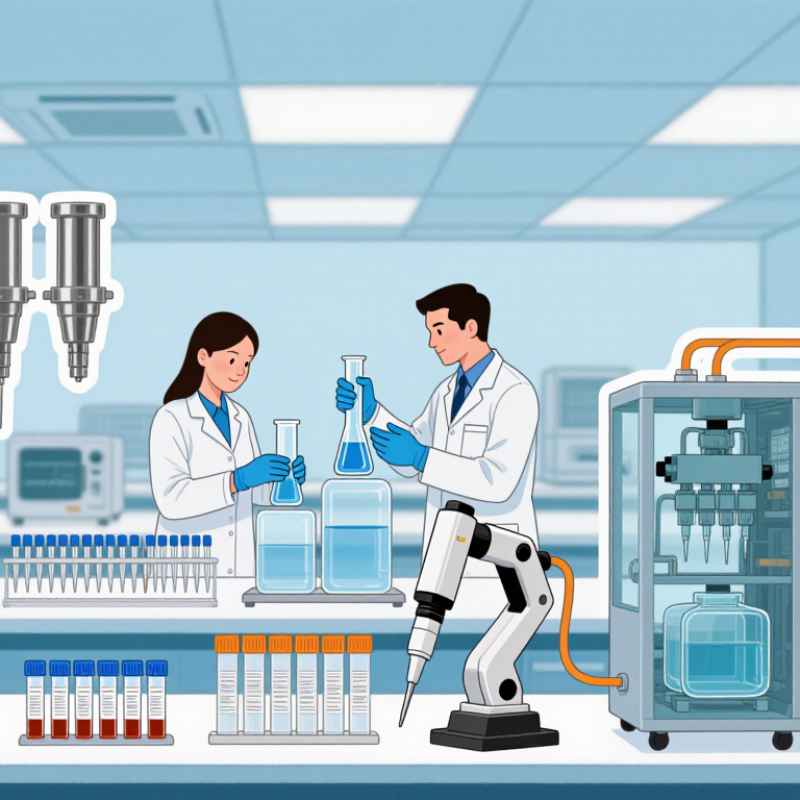
Top Protein Purification Systems for Global Buyers

What Protein Purification Systems Do and Where They Are Used

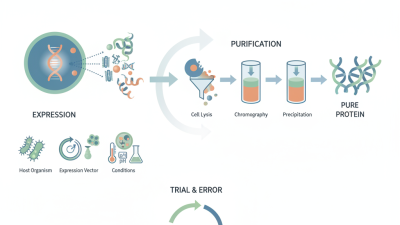
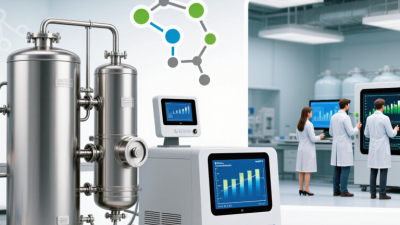
Protein purification systems separate a target protein from cells, culture fluid, and other biological components. They typically combine pumps, tubing, columns or membranes, and sensors that monitor pressure, flow, and absorbance. The exact setup depends on the sample and the protein’s stability. A heat-sensitive protein may require chilled buffers and a short processing time.

In research laboratories, compact systems help scientists purify small batches for assays, structural studies, or antibody testing. A typical run may involve clarification, capture, washing, and elution, with each step recorded for repeatability.

Details matter.

At pilot scale, larger flow paths and automated controls can support process development before routine production. Hospitals and diagnostic facilities may use purified proteins in validated assay materials, while biotechnology manufacturers use them as ingredients in research or therapeutic workflows.

Not always.

Scale-up is not simply a matter of using a bigger column; mixing, pressure, and product loss can change. Buyers should compare sample volume, cleaning needs, fraction collection, and service support against their actual workflow. A system can look impressive on paper yet prove awkward beside a crowded bench. That is worth checking with a representative sample.

Core Technologies Behind Modern Protein Purification Systems

Modern protein purification systems link several separation technologies, each designed to exploit a different protein property. Affinity chromatography captures a target through selective binding, while ion-exchange chromatography separates molecules by surface charge. Size-exclusion chromatography then distinguishes proteins by their size in solution. The sequence depends on the sample, not a fixed recipe. Small details matter.

Sensors track ultraviolet absorbance, conductivity, and pressure as material moves through columns and tubing. These readings help operators spot a breakthrough or a developing blockage before a run is lost. Membrane filtration can concentrate a sample or exchange its buffer, reducing handling between purification stages. Automated controls improve repeatability, but they do not eliminate the need to review each run. Not every run behaves. A cloudy lysate, a small shift in salt concentration, or an overloaded column can change separation quality. Even a clean chromatogram may conceal low recovery or protein damage. For that reason, teams compare purity with yield and, when needed, test whether the protein retains its intended activity. Choosing a system means balancing resolution, sample volume, processing time, and ease of cleaning. The ideal setup is rarely the most complex one; it is the one whose performance can be checked and repeated.

Key Features to Compare Across Purification Platforms

A purification platform should match the molecule, sample volume, and required purity—not just promise fast processing. Compare binding capacity, recovery, resolution, and run time using the same feed material whenever possible. A tall packed bed may handle large batches, while a compact membrane system can suit rapid polishing. Check buffer use, cleaning needs, and how easily operators can scale the process. Small details matter: a clogged line or difficult-to-replace filter can slow a whole shift.

Grand View Research valued the global protein purification and isolation market at about USD 8.06 billion in 2023 and projected 9.7% annual growth from 2024 to 2030. That market estimate signals expanding demand, but it does not identify the best platform for every lab. Compare vendor-independent performance data, and ask whether reported recovery was measured with a representative sample. A clean test mixture can flatter a system. Real samples may not.

Tips: Run a small-scale comparison before purchase. Record yield, purity, processing time, and consumable use. Include operator setup time, too. It is easy to overlook. Also check data export, service access, and whether the system supports your existing columns or filters. No platform wins every time; the fairest choice may still involve a compromise between throughput and flexibility.

How Global Buyers Can Match Systems to Laboratory Needs

Selecting a protein purification system starts with the sample, not the product brochure. Define target volume, expected concentration, sample viscosity, and acceptable processing time. A few milliliters of clarified lysate need different capacity from repeated batches of culture supernatant. Small details matter.

For routine affinity work, compare binding capacity, flow control, fraction collection, and cleaning requirements. If samples vary in salt or particulate content, check how the system handles pressure changes and tubing blockage. Ask for data using a matrix close to yours; buffer-only demonstrations can hide practical problems. Also confirm whether available columns and consumables fit your existing methods. Compatibility can save hours, though it should not outweigh reproducibility.

Match automation to staff time and workflow frequency. A compact setup may suit occasional purifications, while parallel processing can help a busy core facility. Review the software, service access, installation needs, and local technical support before purchase. Record a small pilot run, including yield, purity, run time, and hands-on minutes. The numbers may disappoint. That is useful. One easy-to-miss issue is changeover: a system that performs well but takes too long to clean may slow the next experiment. Leave room for your protocol to evolve, and treat system specifications as starting points, not guarantees.

Installation, Validation, and Ongoing System Support

Top Protein Purification Systems for Global Buyers

Installation, Validation, and Ongoing System Support

A successful installation starts with a site assessment, not the delivery truck. Confirm floor space, drainage, electrical supply, network access, and room for routine maintenance. Check that tubing and fittings can be handled safely in the available workspace. Small details matter.

During commissioning, record the system configuration and verify each flow path against the approved process design. Test pumps, pressure sensors, alarms, and conductivity readings using documented procedures. Set acceptance criteria before testing begins, and retain the results for review. A rushed handover can leave operators guessing.

Validation should reflect the intended use and local quality requirements. Qualified staff can assess performance across relevant operating ranges, including cleaning steps and process hold times. Not every site needs the same test plan. That is easy to overlook. Provide hands-on training with real operating tasks, such as preparing a column and responding to an alarm. Keep training records current.

Ongoing support is part of system readiness. Schedule preventive maintenance, track service history, and keep critical spare parts available. Remote assistance may help, but clear escalation routes are still essential when production stops. Review recurring faults with operators; their observations often reveal problems that service logs miss. A support plan should name responsible contacts, expected response times, and the records each site must maintain.