What is Bovine Serum and How is it Used Globally?
Bovine serum is a vital substance in various fields, particularly in biotechnology and medical research. It is derived from the blood of cows and is rich in nutrients, growth factors, and hormones. This makes it invaluable for cell culture, vaccine production, and diagnostic testing. Researchers rely on bovine serum for its ability to support cellular growth and function in laboratory settings.
Globally, bovine serum is widely used due to its efficacy and high nutrient content. However, the sourcing and production of this serum raise ethical and practical considerations. Some researchers question the sustainability of using bovine serum. They emphasize the need for developing alternatives that reduce animal dependency. This reflects a growing awareness in the scientific community about ethical research practices.
As the demand for innovative solutions increases, the role of bovine serum continues to be scrutinized. People must stay informed about its applications and the implications of its use. Continuous dialogue and exploration are necessary to address these challenges. This ensures that advancements in science remain both ethical and effective.
What is Bovine Serum: Definition and Composition
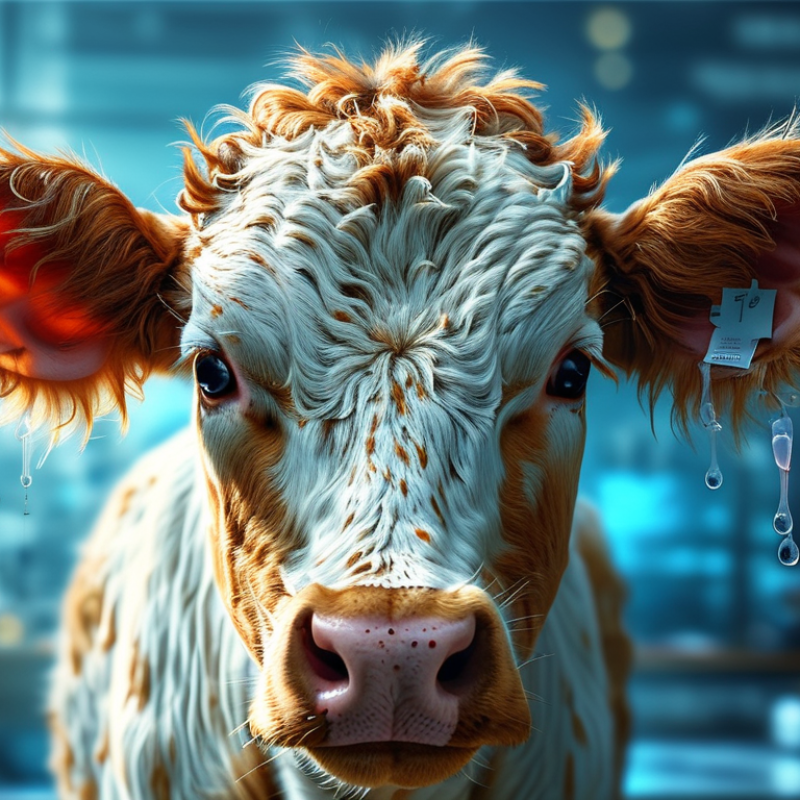
Bovine serum is a complex fluid derived from cows. It consists mainly of blood, minus the clotting factors. It contains proteins, hormones, and nutrients essential for cell growth. Bovine serum plays a crucial role in various applications. It is primarily used in cell culture and research settings.
The composition of bovine serum varies. It includes serum albumin, globulins, and growth factors. These components help support cellular functions. It is also an important source of essential nutrients. Understanding these components is vital for researchers. They need to select the right serum for their experiments.
Tips: Selecting the right bovine serum is crucial for successful cell culture. Make sure to check its source and processing methods. Also, consider testing different serum batches for consistency.
Another consideration is the ethical sourcing of bovine serum. As awareness grows, many researchers reflect on its procurement. It's essential to balance scientific needs with humane practices. This approach ensures ongoing support for effective research and development.
Global Usage of Bovine Serum
Types of Bovine Serum and Their Characteristics
Bovine serum is a vital component in many scientific applications. It is primarily derived from the blood of cattle. There are various types of bovine serum, each possessing distinct characteristics. One of the most well-known types is fetal bovine serum (FBS). FBS is rich in growth factors and nutrients, making it essential for cell culture and biotechnology. This serum contains an array of proteins that support cell proliferation and differentiation.
Another type is the bovine serum albumin (BSA). It plays a crucial role in maintaining oncotic pressure in solutions. BSA is commonly used in biochemical assays and as a stabilizing agent in various formulations. According to a report from the International Serum Industry Association, the demand for BSA has increased significantly, reflecting its importance in research and diagnostics.
However, the sourcing of bovine serum raises ethical concerns. The collection process can be invasive, and the treatment of cattle is under scrutiny. There's a push for alternatives, such as plant-based serums or synthetic substitutes. As the industry evolves, balancing efficacy and ethical sourcing remains a challenge.
Global Industries Utilizing Bovine Serum Products
Bovine serum, derived from cattle blood, plays a vital role in various global industries. The use of bovine serum products is especially prominent in biotechnology, pharmaceuticals, and cell culture research. According to a report by Grand View Research, the global fetal bovine serum market was valued at over $700 million in 2020. This figure highlights the increasing reliance on bovine serum in laboratory environments.
In the pharmaceutical industry, bovine serum is essential for producing vaccines and therapeutic proteins. Researchers utilize the growth-promoting factors found in serum to enhance cell growth. A study published in the Journal of Biotechnology noted that about 80% of cell culture media contain some form of bovine serum. However, the ethical concerns surrounding animal welfare and sourcing practices raise important questions about sustainability and transparency in this sector.
The agricultural industry also benefits from bovine serum. It is used in veterinary applications and livestock nutrition. The serum's high protein content is beneficial for bolstering immune systems in animals. As demand rises, the need for responsible sourcing becomes paramount. Many companies are now focusing on improving their sourcing practices, yet challenges remain. Balancing industry needs with ethical considerations is an ongoing debate that warrants attention.
The Role of Bovine Serum in Biotechnology and Research
Bovine serum, particularly Fetal Bovine Serum (FBS), plays a crucial role in biotechnology and research. It is derived from the blood of bovines and is utilized as a supplement in cell culture. The rich nutrient profile of FBS makes it ideal for promoting cell growth and differentiation, which is essential for various laboratory applications.
Studies indicate that approximately 70% of cell culture procedures utilize FBS. This statistic underscores its significance in research settings. It supports the expansion of cells, including stem cells, which have vast applications in regenerative medicine. However, reliance on bovine serum poses ethical concerns and variability issues. For instance, the nutrient composition can vary between batches, impacting research reproducibility.
Tip: Always assess serum quality from trusted sources to ensure experimental consistency.
Additionally, as biotechnological advancements continue, alternatives to FBS are gaining traction. Synthetic serum substitutes are being formulated to reduce ethical concerns and improve batch consistency. Researchers are encouraged to explore these options, but careful validation is essential.
Tip: Consider hybrid approaches that combine FBS with alternatives to optimize cell growth while addressing ethical considerations.
The continuing evolution in the use of bovine serum reflects the dynamic nature of biotechnology. It highlights the balance between innovation and ethical responsibility in scientific research.
Ethical Considerations and Alternatives to Bovine Serum
Bovine serum, sourced from cattle, is prevalent in laboratories for cell culture. However, the use of bovine serum raises ethical concerns. Issues include animal welfare and the sustainability of sourcing practices. Scientists are increasingly questioning the morality of using animal-derived products.
Alternatives to bovine serum are gaining traction. One popular substitute is plant-based serum. They support cell growth while avoiding animal exploitation. Though some alternatives may not yet meet all specific research needs, their development is promising. Researchers are working diligently to improve these substitutes for wider adoption.
Tips: When exploring serum alternatives, consider the specific requirements of your cell lines. Evaluate the growth factors and nutrients that your research demands. Keep an open mind as technology evolves. Staying informed about new options can enhance your research while upholding ethical standards. Adapting to these changes may take time, but it's essential for advancing science responsibly.
What is Bovine Serum and How is it Used Globally? - Ethical Considerations and Alternatives to Bovine Serum
| Dimension |
Data |
| Global Use in Research |
60% of bioscience labs |
| Primary Application |
Cell culture |
| Ethical Concerns |
Animal welfare issues |
| Alternatives Available |
Plant-based serums |
| Market Size (2022) |
$3 billion |
| Projected Growth Rate |
5% annually |
| Regulatory Bodies |
FDA, USDA |