
How to Choose the Best Expression Systems in 2026?
Choosing the best expression systems in 2026 requires more than comparing yield charts. The right platform must fit the protein, workflow, budget, and evidence standard. Mammalian cells often support complex folding and human-like modifications. Microbial hosts can offer speed, lower costs, and scalable fermentation. Insect, plant, and cell-free systems may solve narrower problems. Each option has trade-offs.
Start with the molecule itself. A disulfide-rich antibody fragment may behave differently from a simple enzyme. Consider secretion, glycosylation, toxicity, solubility, and downstream purification. Then examine practical evidence. Review published performance data, supplier documentation, batch consistency, and independent validation. A system that produces impressive milligrams in one report may struggle with your construct. Small-scale testing matters.
Pilot early.
Experienced teams also measure more than expression level. They assess activity, structural quality, aggregation, stability, and process time. A lower yield can still win if purification is easier and product quality is stronger. Regulatory expectations should influence the decision, especially for therapeutic or diagnostic development. Traceability, raw-material control, and reproducible protocols deserve attention from the beginning.
There is no universally best expression system. Even strong recommendations can become outdated as hosts, vectors, automation, and analytical tools improve. Some decisions will remain uncertain. That is acceptable when assumptions are visible and tested. A disciplined comparison, supported by reliable data and expert review, creates a better basis for selecting an expression system in 2026.
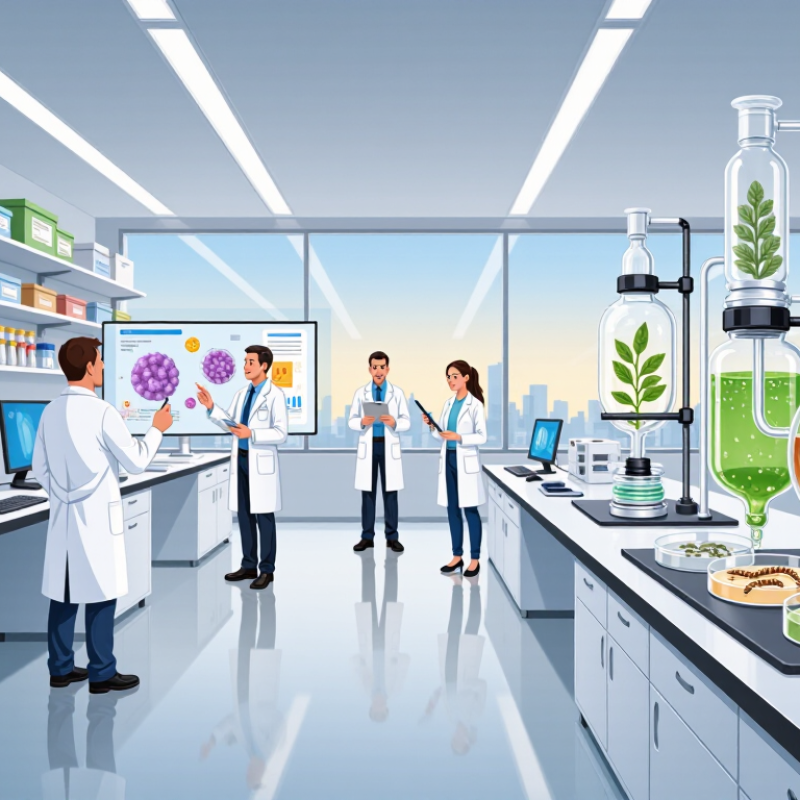
Definition and Role of Expression Systems
An expression system is a biological platform used to produce a selected protein, enzyme, or other molecule. It usually combines host cells, genetic instructions, regulatory sequences, and controlled culture conditions. The host may be bacterial, yeast-based, insect-derived, or mammalian. Each option behaves differently. A strong promoter can increase production, but excessive expression may stress cells and create insoluble protein.
The system’s role extends beyond yield. It influences folding, molecular modifications, stability, activity, and purification difficulty. In practical laboratory work, a cloudy culture and a strong gel band can look encouraging. However, the protein may still lack correct structure or biological function. I have seen performance judged too quickly by quantity alone. That approach needs more reflection. A useful assessment includes activity tests, purity checks, identity confirmation, and stability measurements under realistic storage conditions.
Choosing an expression system in 2026 should begin with the target molecule and its intended use. A simple enzyme may suit a fast, economical host. A complex therapeutic protein may require cells capable of precise processing. Reliable decisions should compare published evidence, internal pilot data, biosafety requirements, scalability, and batch consistency. Small trials can reveal unexpected issues, such as slow growth, protein degradation, or difficult purification. Documented protocols and independent quality checks make the final selection more defensible. Availability matters too, but it should not replace technical suitability.
How to Choose the Best Expression Systems in 2026? - Definition and Role of Expression Systems
| Expression System | Core Definition and Role | Typical Time to First Product | Typical Productivity Profile | Post-Translational Modifications | Main Strengths | Common Limitations |
|---|---|---|---|---|---|---|
| Bacterial | A microbial system used to produce recombinant proteins rapidly and economically, especially proteins that do not require complex folding or glycosylation. | Approximately 1–3 days after transformation and culture setup. | Often high volumetric productivity; research-scale soluble yields commonly range from milligrams to grams per liter, depending on the protein and process. | Limited native disulfide-bond formation in the cytoplasm and no human-like N-linked glycosylation. | Fast growth, low media cost, simple genetic manipulation, and straightforward scale-up. | Protein misfolding, inclusion-body formation, endotoxin removal, and limited processing of complex proteins. |
| Yeast | A eukaryotic microbial platform that combines relatively fast growth with the ability to secrete and fold many recombinant proteins. | Approximately 3–10 days, depending on strain development and fermentation conditions. | Medium to high productivity; secreted proteins can reach milligram-to-gram-per-liter levels in optimized processes. | Supports disulfide bonds and some glycosylation, but glycan structures may differ substantially from mammalian patterns. | Scalable fermentation, relatively low cost, and useful secretion capability. | Non-human glycosylation, proteolysis, and possible differences in folding or biological activity. |
| Insect Cell | A eukaryotic cell platform frequently used for complex recombinant proteins, multiprotein assemblies, and virus-like particles. | Approximately 2–4 weeks, including recombinant virus or expression-vector preparation. | Medium to high productivity; optimized suspension cultures commonly produce milligram-to-hundreds-of-milligrams-per-liter quantities, with considerable product-to-product variation. | Good folding and disulfide-bond formation; glycosylation is present but generally differs from mammalian glycosylation. | Handles large or multimeric proteins better than many microbial systems and grows faster than mammalian cells. | Glycan differences, vector production requirements, and higher process complexity than bacterial or yeast systems. |
| Mammalian Cell | A cultured animal-cell system selected when authentic folding, secretion, assembly, and mammalian post-translational processing are essential. | Approximately 4–12 weeks for transient production; stable cell-line development may take several months. | Typically lower and slower than microbial systems, although optimized fed-batch processes can reach gram-per-liter levels for suitable proteins. | Best suited for mammalian-like disulfide bonding, proteolytic processing, and N- and O-linked glycosylation. | High biological fidelity and strong suitability for therapeutic antibodies, receptors, hormones, and other complex proteins. | Long development timelines, expensive media, demanding culture conditions, and stringent contamination control. |
| Plant-Based | A transient or stable plant-expression platform used for selected recombinant proteins, vaccines, enzymes, and large-scale or rapid-response production. | Approximately 1–8 weeks for transient expression; stable lines require substantially longer. | Highly variable; transient systems can provide useful milligram-to-gram-per-kilogram-of-fresh-tissue yields, depending on the crop, construct, and harvest strategy. | Performs eukaryotic processing, but plant-specific glycan structures may require engineering for some applications. | Potentially low infrastructure cost, flexible scale, and suitability for rapid production of some proteins. | Batch variability, downstream clarification challenges, plant-specific glycans, and longer validation requirements for regulated products. |
| Cell-Free | An in vitro system that produces proteins from DNA or RNA without maintaining living cells, enabling rapid prototyping and specialized synthesis. | Several hours to approximately 2 days. | Usually suitable for microgram-to-milligram quantities per reaction; productivity depends strongly on the lysate, energy system, template, and reaction format. | Limited or system-dependent; selected cell-free platforms can support disulfide formation or other modifications, but full mammalian processing is uncommon. | Very fast design-build-test cycles, open reaction control, and no cell toxicity or viability constraints. | Higher reagent cost, limited scale for some formats, and reduced suitability for routine high-volume manufacturing. |
Note: Productivity and development timelines are indicative ranges reported across common research and bioprocessing workflows. Actual performance depends on the protein sequence, construct design, host strain or cell line, culture conditions, process scale, and purification strategy.
Related Posts
-

China Top 10 Expression Systems Manufacturers?
-

Top 10 Expression Systems for Biotechnology Research and Application?
-
How to Choose the Right Protein Expression Systems for Your Research?
-
China Top 10 Expression Systems Suppliers?
-

Top 10 Insights into Gene Expression You Need to Know?
-
Why Are Host Cell Proteins Important in Bioprocessing?